
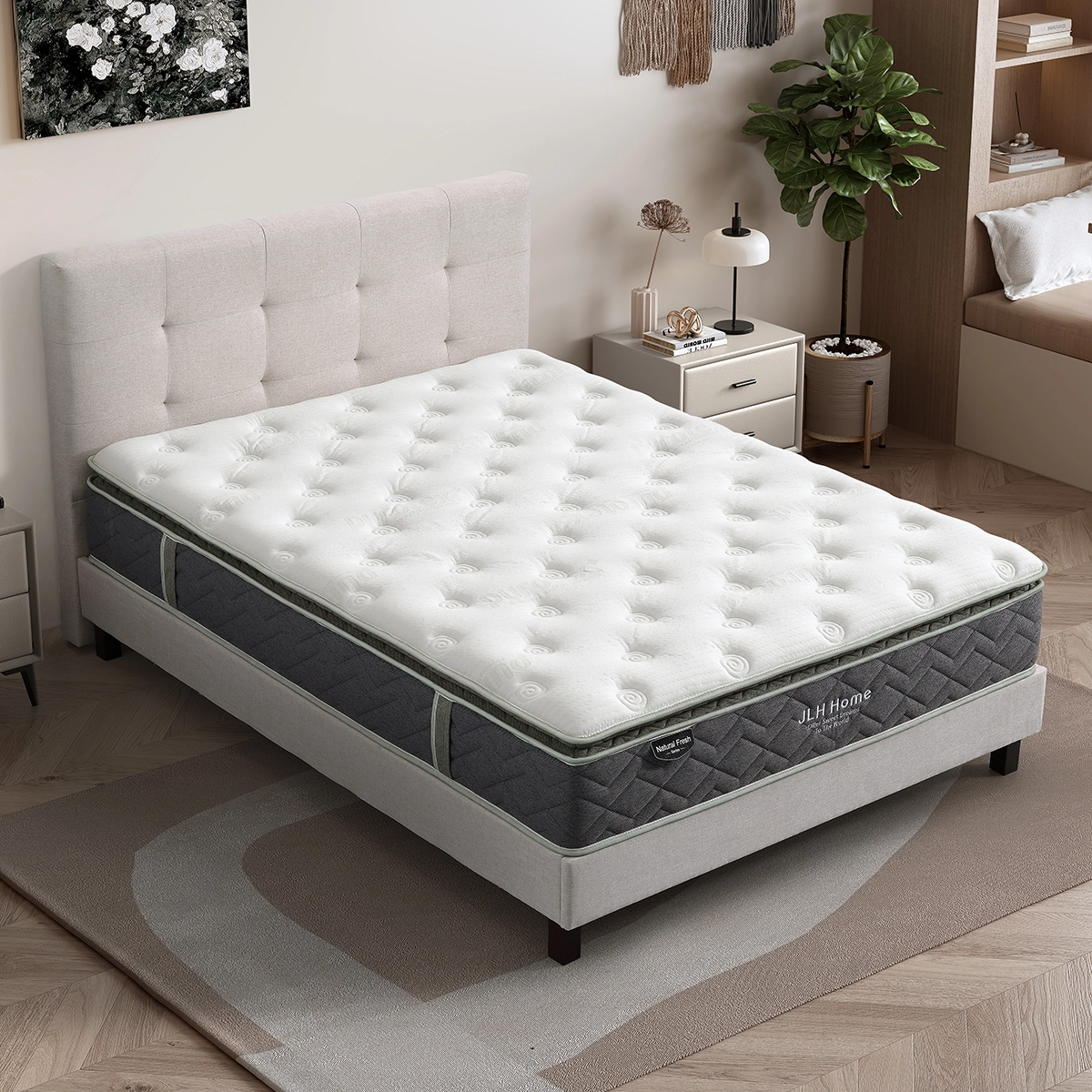
You want reliable supply for your mattress business. You want clear details that help you act. You also want to avoid waste as you build your line. Working with wholesale mattress manufacturers can support your goals if you understand how they operate and how to plan your steps.
Table of Contents
Understanding the Structure of Production
Most suppliers rely on several plants to build each part of a mattress. Some buy fabric from one place and springs from another. Others own their fabric plant, spring plant, and foam plant. When a supplier controls these parts, it gains tighter command over cost, quality, and timing. You gain faster feedback. You face fewer gaps in supply. You also gain room to fine-tune small parts of the build without slow rounds of testing across many vendors.
When you study a supplier, ask how many parts they control inside their own group. You want to know if they buy or make the springs. You want to know who makes the foam. You want to know how they test the fabric. Simple questions help you judge the stability of the line you plan to sell.
Why Full Control Matters
You work in a market where fabrics shift. Colors shift. Sizes shift. Buyers in one region may want a taller profile. Buyers in another may want a softer top. You gain more reach when your supplier can change the mattress height, color, top pattern, top fabric, side fabric, labels, embroidery, and firmness. A supplier with full control can do this with less delay. You get shorter test cycles. You get lower risk of mismatch between design and final goods. This helps you adjust your products for each market you serve.
The Value of Custom Work
When you build a brand, you need clear identity. You want your products to look and feel like they belong to the same family. You also want each item to hold the right place in your line. This needs steady custom work. That includes color choices, panel designs, edge details, and boxed packing.
A good supplier will walk with you through these steps. They can shape your brand image. They can plan your package design. They can map the target buyer in your region. They can train your team on what sets your line apart. This helps you open new doors and build a steady base that grows year after year.
Working with JLH HOME
JLH HOME is an example of a supplier that takes a full path approach. They run their own fabric plant, spring plant, and foam plant. This gives them detailed control over each stage of production. They support mattress wholesalers and brand owners in many ways. They help with brand design. They help with package design. They help with market crowd analysis. They help with product development. They help with production. They also help with sales training.
With full control of materials, they can change the color, size, height, top pattern, top fabric, side fabric, and edge details. They can adjust firmness. They can shape packing options for your region. This lets you offer products that match your buyers with accuracy. It also reduces friction as you grow your brand.
How to Choose the Right Partner
When you select a partner, you want to look at more than price. You want clear data on quality controls. You want a tour of their plants if possible. You want copies of test results for foam density and spring durability. You want to know how fast they can change a pattern. You want to know how they handle design requests. You also want to see their process for onboarding new buyers.
A strong partner will give you sample kits. They will map out timelines. They will show you real case work. They will answer simple questions without delay. If answers come slow, you may face the same delays once your orders grow.
How to Plan Your Line
- Start with a small set of models.
- Keep the range tight.
- Choose two firm levels.
- Choose two heights.
- Pick clear color rules for tops and sides.
- Give each model a clear role. One can fill the entry point. One can fill the mid point. One can fill the higher point.
- Build clear sheets for each model. List height. List foam specs. List spring type. List fabrics. Keep these sheets short and direct.
- Share them with your supplier. Ask them to confirm each detail.
Once the base line is ready, test it with your market. Watch feedback from buyers. If one model moves faster, you can expand that point. If another model stalls, you can adjust firmness or height. A supplier with strong custom skills can help you revise small parts in short cycles.
Inventory and Logistics
You want clean flow. Keep your order calendar tight. Set a fixed reorder point based on sales. Track shipping times from factory to port. Track loading schedules. Track transit times to your warehouse. Use simple sheets to watch these steps. Do not rely on rough memory.
Ask your supplier to give you lead times for each build. Ask for updates on plant load. If they know you plan to order every month, they can secure spots for your builds. This reduces stock outs. It also keeps your store or online channel free of gaps. When a supplier takes a full service path, they can help you even at the shipping stage. They may help plan packing that fits your warehouse. They may help map stack height so you reduce storage cost.
Training Your Team
Your team needs clear knowledge. They must know what makes each model different. They must know how the spring works. They must know how the foam holds weight. They must know what each fabric line can take. A supplier with training support can help you build this skill fast.
Ask them to hold short sessions for your group. Ask them for simple sheets that show each model part. Make sure your team can explain each detail to buyers without long pauses. This builds trust and speeds sales.
How to Evaluate a Long Term Partner
After one year you should look back. Check if the supplier met timelines. Check if designs were right. Check if issues were solved fast. Check if shipping was steady. Check if updates were clear. Check if costs were stable. Simple checks guide your next step. If the partner supported your growth you can expand the line. If not you can plan a change.
Role of Wholesale Mattress Manufacturers in Your Growth
Your growth relies on stable product flow. It relies on accurate builds. It relies on fast change when your market shifts. Good wholesale mattress manufacturers support this without pressure. They support your design. They support your production. They support your training. They help you answer your buyers with confidence. They help you plan each stage of your line.
You gain a strong edge when your supplier can adjust your products with speed. You gain trust when the build quality is steady. You gain reach when the brand looks unified. You gain time when the supplier guides parts of your process.
How to Prepare for Expansion
When your line grows you must keep your base stable. Update your sheets. Track your data. Watch feedback. Add new models only when needed. Involve your supplier early. Share your goals for the next year. Ask for new ideas that match your region. Good planning keeps your flow stable and saves you from rushed choices.
Closing
You now have a clear view of what to expect when you work with wholesale mattress manufacturers. You know what to ask. You know what to track. You know how a full service partner can support your path. This clarity helps you act with confidence as you shape your mattress line.