
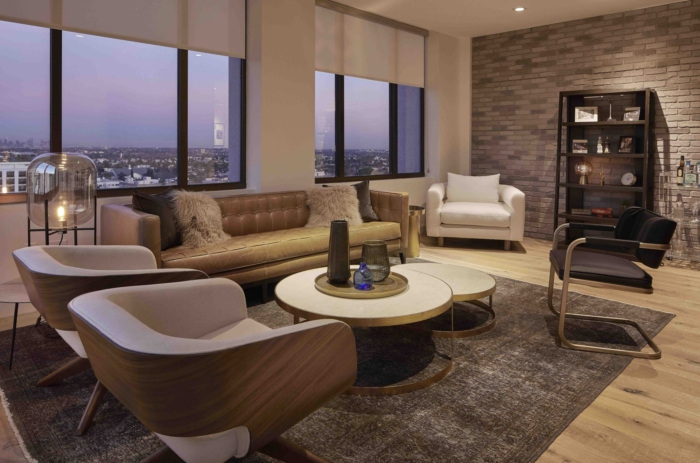
Have you ever walked into a space and immediately felt… off? Maybe the lighting was too harsh, the furniture awkwardly placed, or the vibe didn’t match what you expected. It’s subtle, but it matters. Honestly, design shapes how we feel, often before we even realize it. And yet, many businesses treat it like an afterthought — something “nice to have” rather than a strategic priority.
That’s where firms like ESAC Design come in. They don’t just decorate spaces; they craft experiences that make people linger, feel comfortable, and connect with a brand almost instinctively. I was surprised to learn how much thought goes into something that, to the untrained eye, can seem effortless. But that’s the point: when design is done well, it feels invisible.
Table of Contents
The Science Behind Space
You might not realize it, but research shows that the spaces we inhabit influence our emotions, decision-making, and even productivity. Natural light can boost mood. Open layouts encourage collaboration. Even colors affect how we perceive trustworthiness or energy. It’s fascinating — a single poorly chosen element can subtly undermine everything a business stands for.
Businesses that recognize this treat design as an investment, not just a decorative add-on. ESAC Design, for instance, approaches each project holistically. They consider everything from traffic flow to sensory experience, ensuring that the final space aligns perfectly with a brand’s identity. The result? Environments that feel intuitive, welcoming, and strategically powerful.
Beyond Aesthetics: Design as Communication
Here’s the truth: design is language. A well-designed office, store, or public space communicates far more than words ever could. Walk into a boutique hotel lobby designed by experts, and you instantly understand the brand’s personality — luxurious but approachable, sophisticated yet warm. That’s not by accident. Every decision, from furniture selection to wall textures, tells a story.
I’ve seen companies struggle because they focused only on aesthetics. Shiny surfaces, bold colors, expensive materials — all of it looks impressive in photos, but without considering function and flow, it fails in real life. People leave confused, uncomfortable, or disconnected. That’s why a design firm like ESAC Design stands out: they merge creativity with usability, crafting spaces that are both beautiful and purposeful.
Emotional Impact Matters
One of the most underappreciated aspects of design is its emotional power. Think about your favorite café or co-working space. Chances are, it’s not just the coffee or the Wi-Fi. It’s the lighting at certain hours, the way tables are arranged, the textures you subconsciously notice. These design elements create an emotional anchor — a reason you return and recommend the space to others.
Companies that understand this don’t chase fleeting trends. They aim for longevity. They invest in details that foster trust, comfort, and loyalty. ESAC Design exemplifies this principle, creating environments that resonate on both a practical and emotional level.
Functionality Isn’t Optional
Here’s a practical insight: beauty without function is wasted effort. A stunning staircase that blocks foot traffic, or a lounge area that’s impossible to navigate, can quickly frustrate users. Thoughtful designers anticipate these pain points. They map out movement patterns, acoustic considerations, lighting transitions — essentially engineering spaces for human behavior, not just for visuals.
It’s why expertise matters. A general decorator can make something look nice. But a strategic design studio turns space into an experience that supports both the brand and its users. ESAC Design takes this seriously, balancing aesthetics with functionality in ways that feel natural.
Design as a Business Strategy
This isn’t just about making things pretty. There’s measurable value in thoughtful design. Retail stores with optimized layouts see higher sales per square foot. Offices with natural light and collaborative zones experience higher employee satisfaction. Hotels with immersive, welcoming environments generate more repeat bookings. Every spatial decision has ripple effects on revenue, brand perception, and loyalty.
Many leaders underestimate this. They view design as a cost, not a performance driver. The irony? The right design can often pay for itself — and then some — by creating experiences that stick in people’s minds long after they’ve left.
Looking Forward: Human-Centered Design
If there’s one lesson the best design studios are teaching, it’s this: humans come first. We’re moving toward spaces that prioritize well-being, adaptability, and emotional connection. Flexible layouts, natural materials, biophilic touches — these aren’t trends. They’re a response to the growing understanding that design is, at its core, empathetic.
Firms like ESAC Design are already ahead of this curve, blending technical expertise with emotional intelligence to craft environments that genuinely resonate. They prove that design isn’t about awards or aesthetics alone — it’s about creating spaces where people feel seen, understood, and comfortable.
A Final Reflection
The spaces we inhabit communicate volumes about who we are, what we value, and how we want others to feel. Investing in thoughtful design isn’t optional anymore — it’s essential. From boosting sales to fostering loyalty, from supporting productivity to creating emotional resonance, design is one of the most powerful tools a brand has.
So next time you walk into a space that just “feels right,” take a moment to notice why. Chances are, it wasn’t luck. It was intention, strategy, and expertise — the kind that ESAC Design exemplifies. And in a world where impressions are formed in seconds, that kind of mastery can make all the difference.